Top 10 Powerful Ayurvedic Herbs and Their Benefits
Ayurveda is an ancient system of natural medicine that originated in India more than 5,000 years ago. It focuses on healing the body naturally by balancing the mind, body, and spirit. Ayurvedic herbs play a vital role in this system and are known for their powerful medicinal properties. These herbs are widely used to boost immunity, improve digestion, manage stress, support hormonal balance, and promote overall wellness.
In this blog, we will discuss the Top 10 Powerful Ayurvedic Herbs, explaining what each herb is, its uses, and its health benefits, including Ashwagandha, Turmeric, Tulsi, Amla, Brahmi, Neem, Shatavari, Giloy, Triphala, and Guggul.
1. Ashwagandha – The Stress-Relieving and Strength-Building Herb
What is Ashwagandha?
Ashwagandha (Withania somnifera) is one of the most powerful and widely used herbs in Ayurveda. It is classified as an adaptogenic herb, meaning it helps the body adapt to stress and maintain internal balance. Traditionally, the roots of the ashwagandha plant are used to prepare medicines and powders.
Uses of Ashwagandha
Ashwagandha is used to manage stress, anxiety, fatigue, and insomnia. It is commonly consumed as ashwagandha powder mixed with milk or water to improve strength and vitality. It is also used in Ayurvedic formulations for improving stamina and mental focus.
Ashwagandha Benefits
Ashwagandha helps reduce stress hormones, improves sleep quality, boosts immunity, and enhances energy levels. Ashwagandha for men is beneficial for increasing testosterone levels, improving muscle strength, and supporting fertility. Ashwagandha benefits for female health include hormonal balance, improved mood, better reproductive health, and relief from stress-related issues.
2. Turmeric – The Golden Anti-Inflammatory Herb
What is Turmeric?
Turmeric (Curcuma longa) is a bright yellow spice obtained from the root of a plant belonging to the ginger family. It contains an active compound called curcumin, which gives turmeric its powerful healing properties.
Uses of Turmeric
Turmeric is used in cooking, herbal medicine, skincare, and home remedies. In Ayurveda, it is commonly used to purify blood, improve digestion, heal wounds, and support joint health.
Turmeric Benefits
Turmeric benefits include reducing inflammation, boosting immunity, improving digestion, and supporting heart health. Turmeric benefits for women include relief from menstrual pain, improved skin health, and hormonal balance. Turmeric milk is a popular Ayurvedic remedy for cold, cough, and immunity.
3. Tulsi – The Queen of Ayurvedic Herbs
What is Tulsi?
Tulsi, also known as Holy Basil (Ocimum sanctum), is a sacred and medicinal herb in Ayurveda. It is considered a powerful adaptogen and is often grown in Indian households for its health and spiritual benefits.
Uses of Tulsi
Tulsi is commonly used in herbal teas, kadhas, and natural remedies for respiratory problems. It is used to treat cough, cold, fever, and stress-related conditions.
Benefits of Tulsi
Tulsi strengthens the immune system, improves respiratory health, reduces stress, and supports digestion. Regular use of tulsi helps the body fight infections naturally and improves overall vitality.
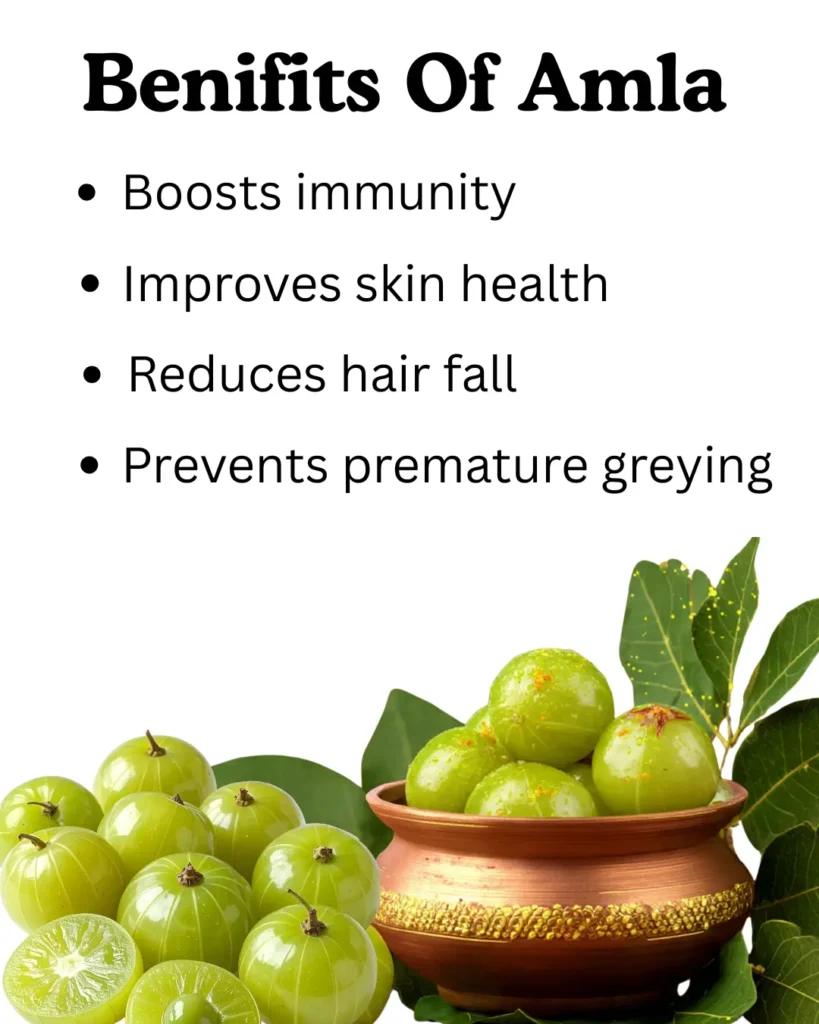
4. Amla – The Ayurvedic Superfruit for Immunity and Hair
What is Amla?
Amla, also known as Indian Gooseberry (Emblica officinalis), is a powerful Ayurvedic fruit rich in Vitamin C and antioxidants. It is considered a rejuvenating herb that supports longevity.
Uses of Amla
Amla is used to improve digestion, strengthen immunity, enhance skin glow, and support liver health. It is also widely used in hair care products and oils.
Amla Benefits
Amla benefits include stronger immunity, better digestion, healthier skin, and improved metabolism. Amla benefits for hair include reduced hair fall, prevention of premature greying, and stronger hair roots. Amla oil benefits for hair include promoting hair growth, nourishing the scalp, and adding shine.
5. Brahmi – The Memory and Brain Booster Herb
What is Brahmi?
Brahmi (Bacopa monnieri) is an Ayurvedic herb known for improving brain function and mental clarity. It is classified as a Medhya Rasayana, meaning a herb that nourishes the brain.
Uses of Brahmi
Brahmi is used to improve memory, concentration, learning ability, and mental calmness. It is commonly used by students, professionals, and elderly individuals.
Benefits of Brahmi
Brahmi benefits include enhanced memory, reduced anxiety, improved focus, and better nervous system health. Regular use helps manage stress and mental fatigue.
6. Neem – The Natural Detoxifier and Skin Protector
What is Neem?
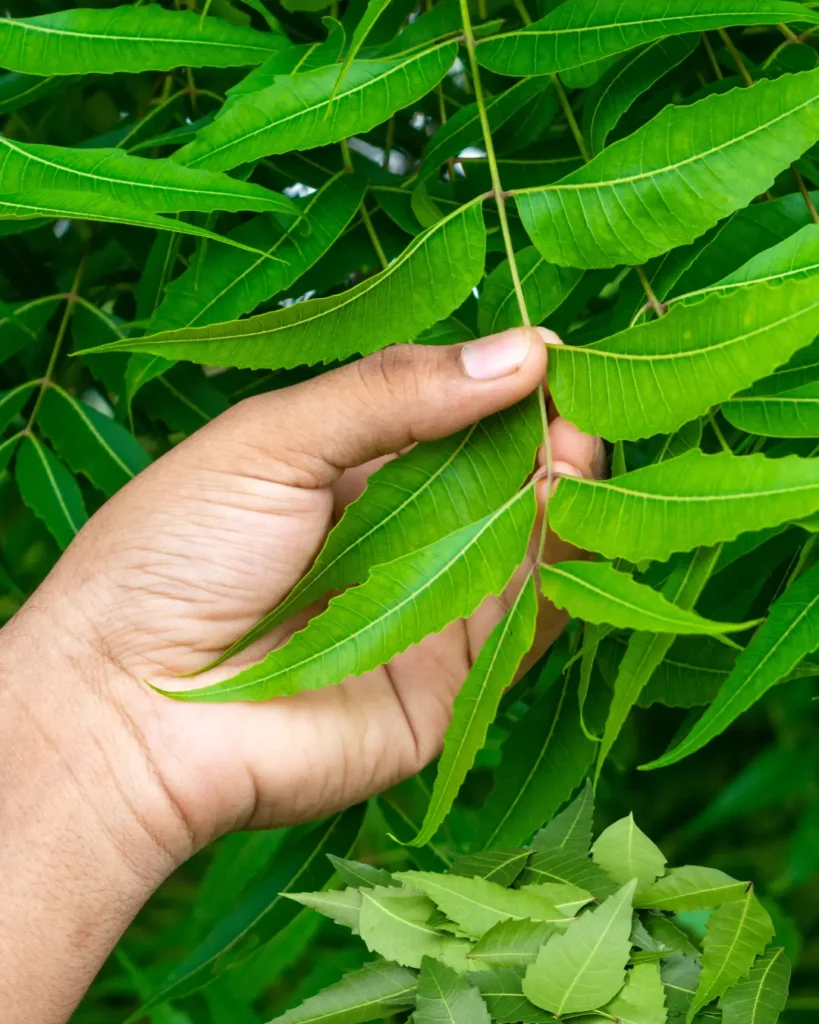
Neem (Azadirachta indica) is a powerful medicinal tree in Ayurveda known for its antibacterial and detoxifying properties. Almost every part of the neem tree is used for medicinal purposes.
Uses of Neem
Neem is used for skin care, blood purification, oral health, and detoxification. Neem oil is widely used in hair and skin products.
Benefits of Neem
Neem benefits include clearer skin, improved immunity, blood purification, and protection against infections. Neem oil for hair helps reduce dandruff, scalp infections, and hair fall while promoting a healthy scalp.
7. Shatavari – The Best Herb for Women’s Health
What is Shatavari?
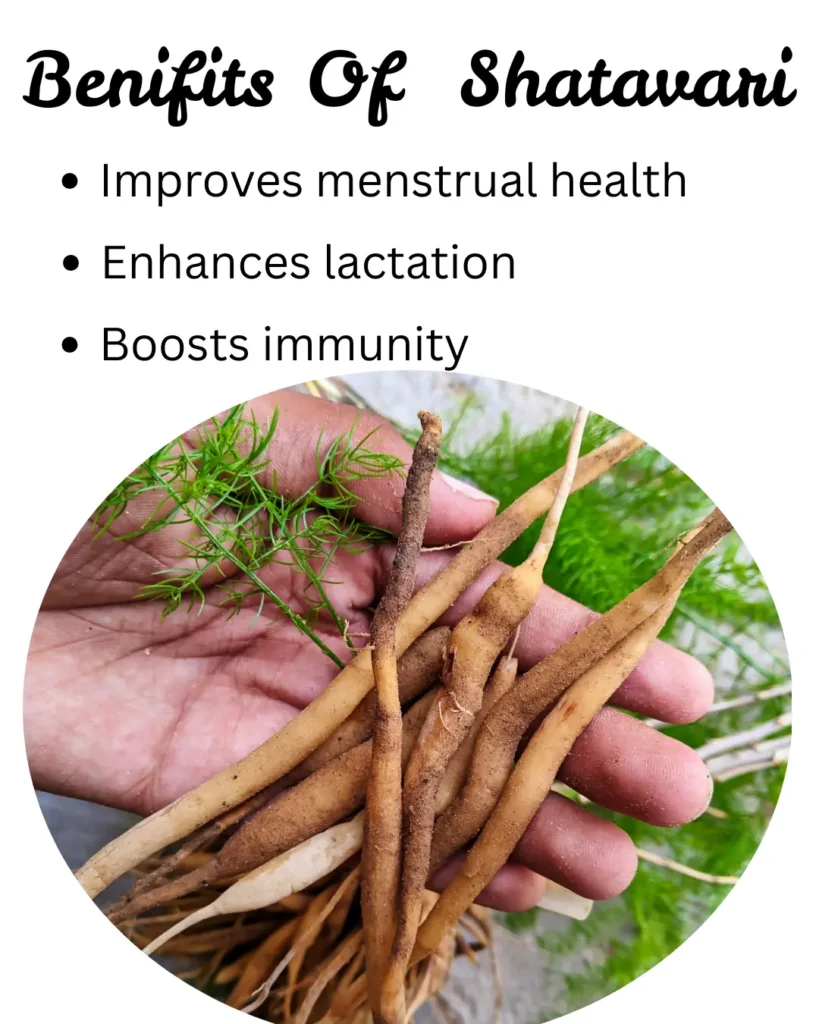
Shatavari (Asparagus racemosus) is a rejuvenating Ayurvedic herb primarily used to support women’s reproductive and hormonal health.
Uses of Shatavari
Shatavari is used to balance hormones, support fertility, improve digestion, and strengthen the reproductive system.
Benefits of Shatavari
Shatavari benefits include improved menstrual health, relief from menopause symptoms, enhanced fertility, and increased milk production in lactating mothers. It also helps improve strength and immunity.
8. Giloy – The Ultimate Immunity Booster
What is Giloy?
Giloy (Tinospora cordifolia) is known in Ayurveda as Amrita, meaning “nectar of immortality.” It is highly valued for its immune-boosting properties.
Uses of Giloy
Giloy is used to manage fever, strengthen immunity, detoxify the body, and support liver health.
Benefits of Giloy
Giloy benefits include improved immunity, reduced fever, better digestion, and increased resistance to infections. Regular use helps protect the body from seasonal illnesses.
9. Triphala – The Digestive and Detoxifying Formula
What is Triphala?
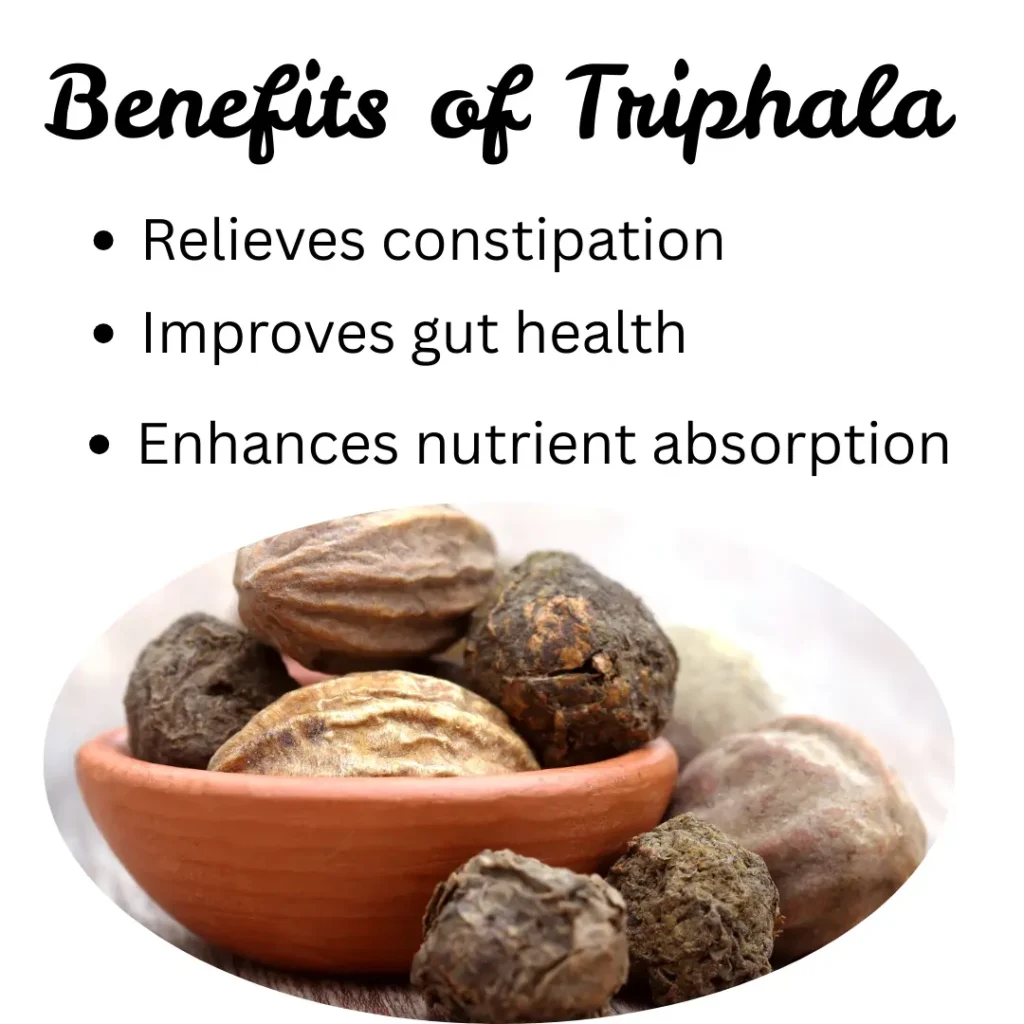
Triphala is a traditional Ayurvedic formulation made from three fruits—Amla, Haritaki, and Bibhitaki.
Uses of Triphala
Triphala is used to improve digestion, cleanse the colon, and support gut health.
Benefits of Triphala
Triphala benefits include relief from constipation, improved metabolism, better nutrient absorption, and overall digestive balance. It is gentle enough for long-term use.
10. Guggul – The Metabolism and Joint Support Herb
What is Guggul?
Guggul is a resin obtained from the Commiphora mukul tree and has been used in Ayurveda for centuries.
Uses of Guggul
Guggul is used for weight management, cholesterol control, joint pain relief, and metabolic disorders.
Benefits of Guggul
Guggul benefits include improved metabolism, reduced inflammation, better joint mobility, and support for heart health. It is commonly used in Ayurvedic treatments for arthritis and obesity.
Final Thoughts
Ayurveda offers a timeless approach to health by harnessing the natural healing power of herbs that work in harmony with the body. The top 10 Ayurvedic herbs discussed in this blog—Ashwagandha, Turmeric, Tulsi, Amla, Brahmi, Neem, Shatavari, Giloy, Triphala, and Guggul—have been trusted for centuries to support immunity, digestion, mental clarity, hormonal balance, skin, hair, and overall wellness. When used correctly and consistently, these herbs help address the root cause of health issues rather than just managing symptoms. Incorporating Ayurvedic herbs into your daily routine, along with a balanced lifestyle and proper guidance, can lead to long-term health benefits and a more natural, sustainable way of living. As with any herbal supplement, it is always advisable to consult a qualified healthcare professional or Ayurvedic practitioner to ensure safe and effective use tailored to your individual needs.